Wordy Wednesday

I’m continuing with the process of editing my 2nd children’s book. It follows on from The Clocker but, this time, focuses on Samantha. Nev and his dad, Ed are very much part of the story, Ed continuing to embarrass Nev with his misuse of slang.

As I was editing the other day, I came across a line I’d written: Nev’s dad’s slanguage was legendary. It made me pause to consider when the word slanguage had become part of our vocabulary.

Finding that the word wasn’t listed in my physical Oxford English Dictionary, I headed to Google and the online OED. I was surprised to find that the first known usage of the word slanguage was the 1860s, when it appeared in the Daily Telegraph London. The word is a blend of slang and language, hence slanguage. If you’ve read my children’s book, The Clocker, My Books you’ll be familiar with Nev’s dad’s mixed up slang words.

It was a surprise to find that the word slanguage was first noted in 1860

Wordy Wednesday

In the online writing group I’m part of we have a virtual common room. This is used to post news, share information and writing successes. Recently, I asked if any of the group members would like to share a word for Wordy Wednesday. The word could be in any language.

I was delighted to receive a wonderful word, with meaning, from Susan. This is what she says:

“Thanks for  the invitation to bring a word to your Wordy Wednesday.  As you were talking about drizzle, I’ll give you our local Basque word for that same dreary rain: “txirimiri” (pronounced chirimiri).  I like the word – not so happy about the rain, though.”

Thank you Susan and what a fabulous word. It’s great to have a word I’ve never heard before. I listened to the pronunciation and love how it sounds.

Next time it’s drizzling I’ll think of the word
txirimiri and smile

Wordy Wednesday

This week, I decided to see what the last word beginning with Q was in my Oxford English Dictionary. With that in mind, my word for today is qwerty.

I might have guessed that this would be the last Q word in the dictionary, due to its lack of U after Q. The word denotes the standard layout on English language typewriters and keyboards; you’ll even see it on your smartphone ‘keyboard’. It is a delightfully easy word to type, given that the letters appear one after the other from the left.

I can remember my mum, who was an incredibly fast typist, referring to her qwerty keys. Later, as computers took over, she complained they were too slow because they couldn’t keep up with her!

Most of us don’t use typewriters anymore but the qwerty keyboard lives on …

Wordy Wednesday

My word today is confabulate. I used this word last week and the person I was talking to said, ooh that’s a great word. My trusty dictionary, The Oxford English Dictionary, gives two distinct definitions. The first is to talk / engage in conversation. The other, which I’m more familiar with, is to fabricate imaginary sentences in compensation for loss of memory.

The origin of the word confabulate is Latin and from the 17th century. Confabulari – con = together, and fabulari from fabula, fable.

Apologies in advance for any typos – my eyes are a bit blurry for writing following cataract surgery!

Nev, from my children’s book, The Clocker, does a lot of talking with his best friend, Samantha. My Books

Wordy Wednesday

We are all familiar with the use of a ‘smith’ meaning a craftsperson, for example a blacksmith or silversmith. My word for today is wordsmith, simply meaning ‘a skilled user of words’ (New Oxford English Dictionary of English).

It is a very timely word, my debut children’s book, The Clocker, having been published yesterday. I like the idea of being a wordsmith. It is a craft shared by many around the world, in different languages, styles and genres. Where would we be without wordsmiths?

A special shoutout to all my fellow bloggers and to the Let’s Write group at The Writers Bureau.

https://www.writersbureaucourse.com/courses/let-us-write

Wordy Wednesday

It’s Wordy Wednesday again and I have a Dutch word for you today. Last week I went to Bruges for five days, also hopping over the border to Sluis in The Netherlands. While perusing the menu in the windmill restaurant, a word caught my attention.

Slagroom?

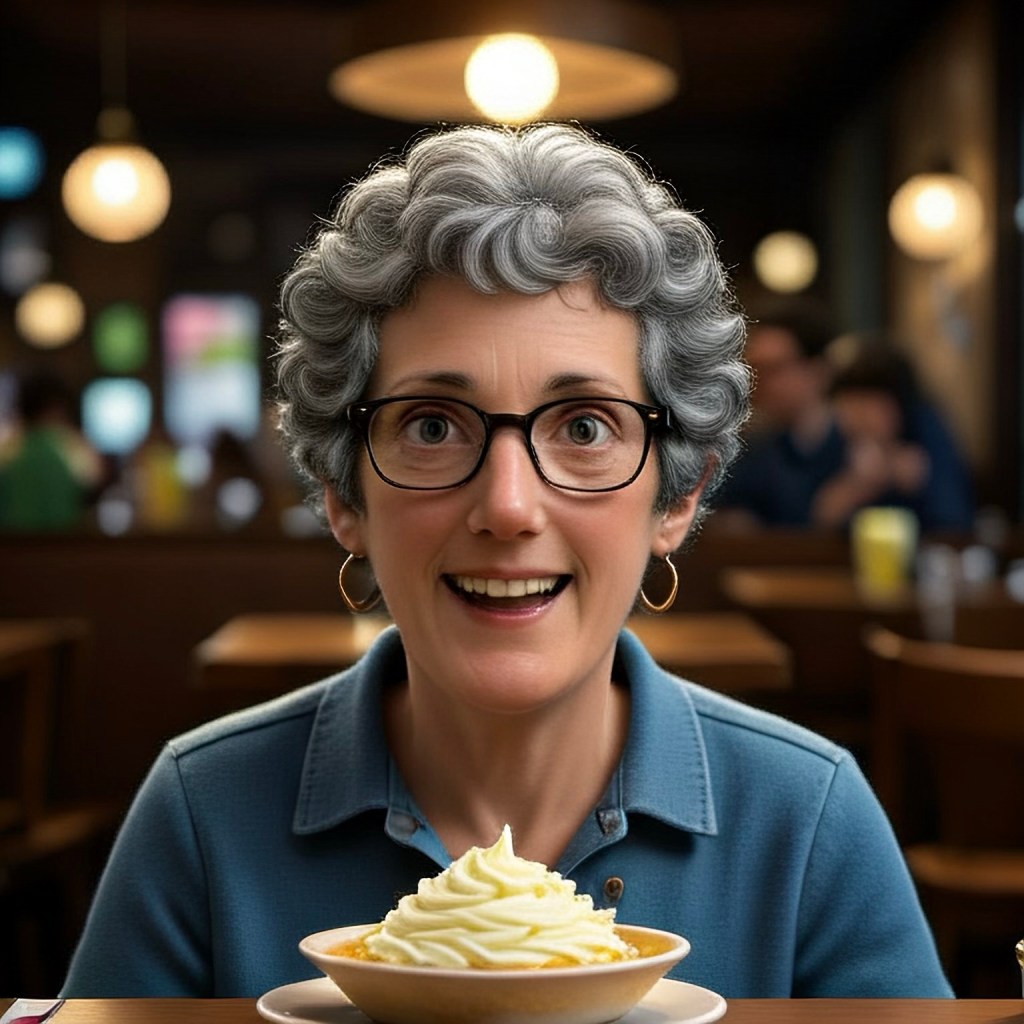
I guessed this menu option was something sweet, knowing what a madeleine is; also guessing ‘met een’ was likely to be ‘with’. But what did ‘slagroom’ mean? This is what I find so fascinating about words and language. On looking it up, I was right about the madeleines and with; the sentence translated into English means “madeleines with a dollop of whipped cream”. Slagroom means cream in English. It is, of course, not pronounced slag room, more slaackroam.

What a great word. Do you have an unusual, quirky or favourite word to share? I’d love to hear from you.

Cream!