Wordy Wednesday

Having previously shared some words from the 16th and 18th century, today I bring a much more modern word. It is a blend of two words and became popular from around 2019.

Have you ever found yourself accidentally eating more snacks than you intended? Maybe you were anxious or simply distracted, only to find you’d eaten a large bag of crisps, or rather more biscuits than you meant to. If you have, then you’ve had a snaccident. What a brilliant word.

Look out for my next word on Wordy Wednesday and please do send me any of your favourite or discovered words.


Oops, another snaccident

Sum up Sunday

I’ve set myself the challenge of summing up my week in 25 words or less. If you’d like to have a go too, I’d be pleased to see your ‘sum ups’.

Here goes:

I volunteer

And I write

Rain, rain, more rain

And more

Hospital appointments x 2

See family

And relax –

With the cats.

Mubble-fubbles

I credit Susie Dent, lexicographer extraordinaire, for introducing me to this word via instagram. I’d been searching for something that would describe my current state of ennui, a sense of not being able to get on with anything or satisfactorily complete a task.

Mubble-fubbles perfectly sums up this feeling and is a 16th century expression for a fit of low spirits. I also read yesterday that January is the month for hibernation and rest. Perhaps, if I do just that, the mubble-fubbles will have passed by February.

In the still quiet of winter, rest and hibernate mind and body.

Weather Words

We’re known, in the UK, for our fondness for talking about the weather. This week has certainly given us cause to turn to our favourite subject time and again. We’ve had storms, rain, snow, ice and, occasionally, the sun has made an appearance.

My favourite weather word is dreich and one I frequently heard as a child from my Scottish aunts. I think it perfectly describes a miserable, grey and wet day. It’s most effective when said with a broad Scottish accent, the ‘ch’ sound similar to that used in ‘loch’.

Another very descriptive Scottish weather phrase is ‘blowing a hoolie’. It is thought that the hoolie comes from the Orkney word, hoolan, meaning a strong gale.

If it’s dreich or blowing a hoolie where you are today, why not hunker down with a good book – Dreich House maybe?

And Another Quirky Word

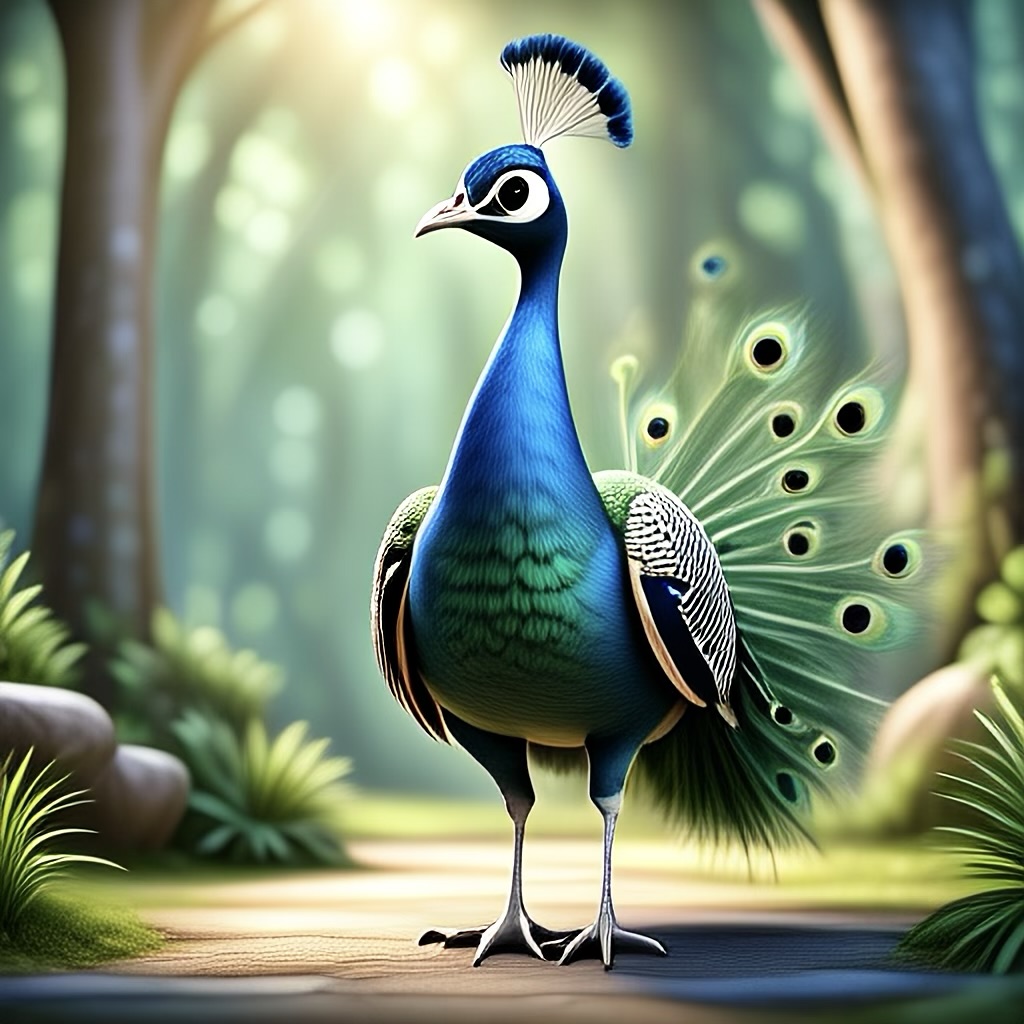
Have you ever shown off, strutted about vainly like a peacock? There’s a word to describe that and it’s derived from the Latin, pavo, meaning peacock.

Verb – pavonise or pavonize.

It’s not a word in common usage today though has been highlighted by Susie Dent, lexicographer, on social media.

Can you find a way to sneak it into conversation?

Another Quirky Word

Yesterday, I shared the word Quidnunc, meaning an inquisitive and bossy person. Today, I ask, are you hurkle-durkling?

This enchanting 18th century phrase is Scottish in origin and means lounging about in bed long after you should be up. Instead of sounding punitive like idle or lazy, hurkle-durkling sounds light and cheerful. I once saw the phrase, happiness is hurkle-durkling – perfect.

So, if you’re in the mood for some hurkle-durkling on a cold winter day, go ahead.

Get hurkle-durkling

A Quirky Word for Today

What can be more important, as a writer, than words? I love words; their meanings, their origins and use. I particularly like discovering new words.

My quirky word for today is quidnunc, which I first came across in the film, Love Happens. It means an inquisitive or bossy person and its origin is from early 18th century Latin – quid nunc? What now?

I’m sure, at some point, quidnunc is going to appear in one of my stories. It’s too good to pass over.

Do you have a quirky word or a favourite word to share? I’d love to hear from you.

Quidnunc – an inquisitive or bossy person

Word of the Year

My word for 2026 is kindness – the act of generosity or concern for others without expectation of any reward in return.

In the lead up to Christmas 2025 I found myself watching more Christmas movies than usual due to several periods of prolonged ill-health. There was one sentence from all of them that stuck in my mind. In response to being told by someone that their action was not personal, just business, the lead character remarked that this was a poor excuse for being unkind. I like that.

So, my word for 2026 is kindness. It costs nothing and yet often means so much.

Determined in Mind

It’s that time of year when many of us talk of New Year Resolutions. I admit I gave up making them many years ago. They felt more of a burden than a help. That’s not to say I’ve become aimless or goalless, however.

Today, I looked up synonyms for the word resolution and discovered the phrase ‘Determined in Mind’. It refers to having a resolute unwavering focus, which sums up very well what is needed as a writer.

Be determined in mind and keep writing.