Having taken a breather from editing my next children’s book, this week I feel I’m back on track. The break has enabled me to feel uncluttered, almost like the feeling you get when you clear out a room, or a cupboard.
I’ve had some new ideas, tightened up the writing in places and rethought aspects of the story. As well as seeking professional feedback, my partner and biggest champion, has read the whole book, giving me useful insights.
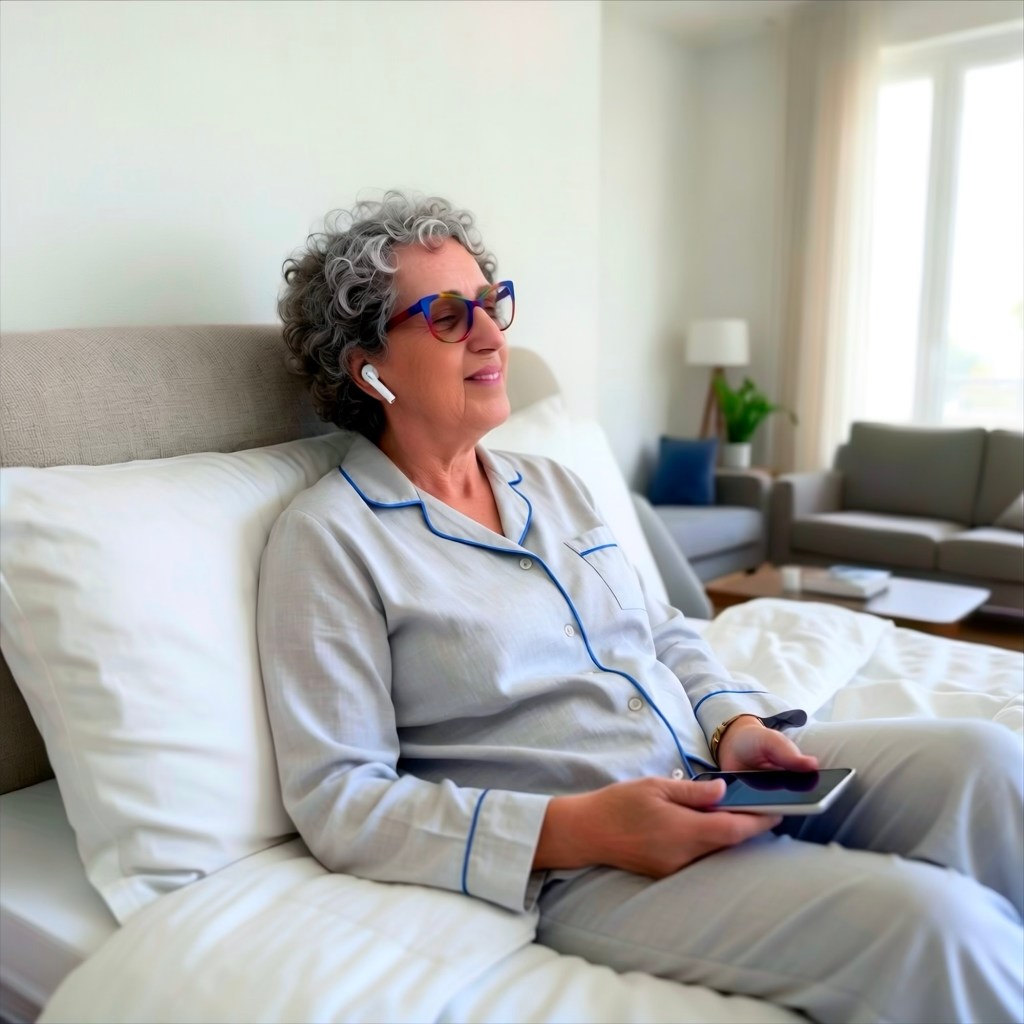
As I’m still waiting for my second cataract surgery and, thus, a proper prescription for reading glasses , I continue to listen to audiobooks.
I decided to catch up with the Number One Ladies Detective Agency series by Alexander McCall Smith. Set in Botswana, these are wonderfully gentle stories, read by Adjoa Andoh, who expertly captures all the different characters.
As I was listening recently, my ears pricked up at a word with three meanings. The literal meaning of the Setswana word pula is rain. Pula also extends its meaning to blessing or fortune, serving as the country’s motto. Rain is much revered, hence the blessing let there be rain. Finally, pula has been the national currency since 1976.
Listening to audiobooks and learning new words and meanings
This week’s Flaunt it Friday is about something I did last Friday. When my children’s book, The Clocker, My Books was first published, I decided I’d ask the primary school both my grandsons went to if they’d like me to do an author visit.
I have fond memories of meeting my grandsons at the school gates, the friendliness and kindness of the staff. When they enthusiastically accepted, asking me if I could do a session each with Years 5 and 6, I was delighted. It seemed such a fitting place to share my book.
The summer weather had other ideas. On the week we’d arranged, the school suggested we reschedule, saying it was unbearably hot. Though disappointed, I was also relieved as I was struggling in the extreme heat.
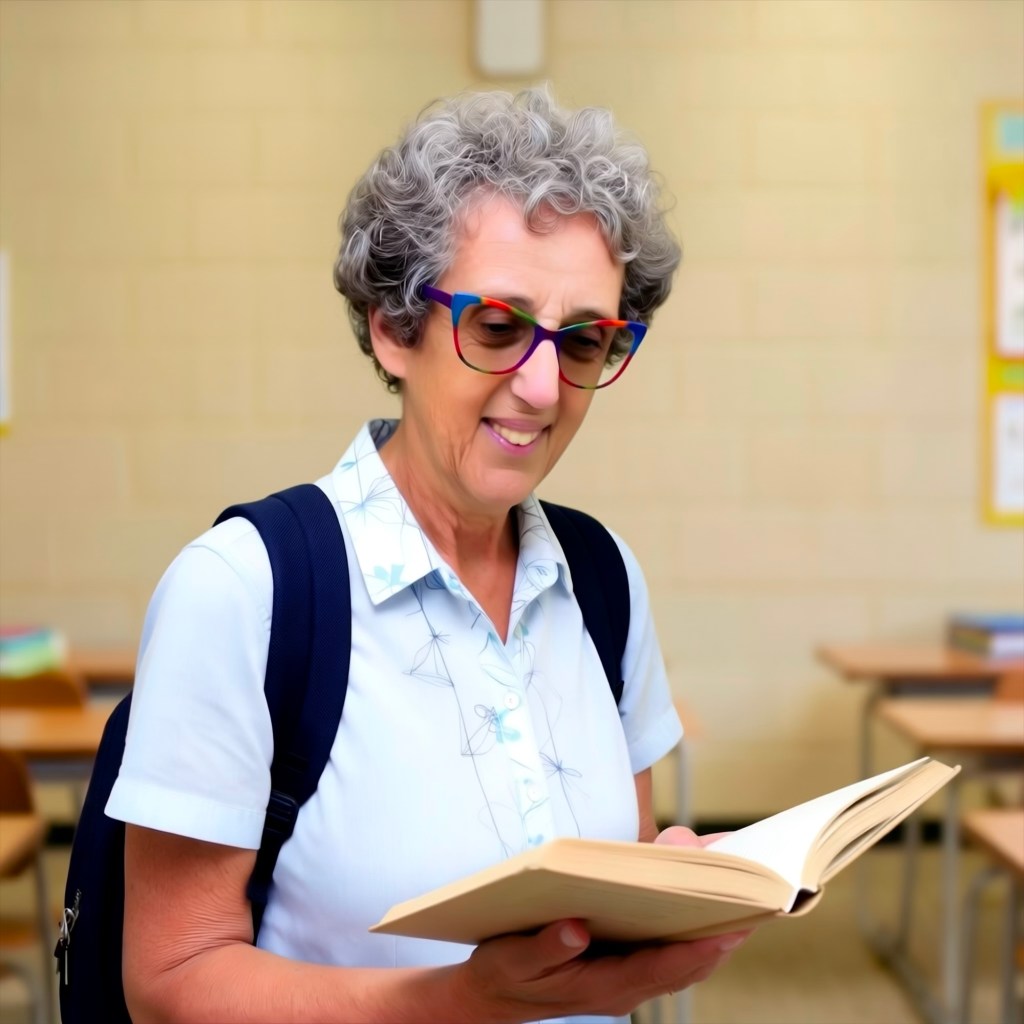
Finally, last Friday, the visit went ahead. It was such a thrill to receive an enthusiastic response from the children and staff. Having read many blogs and social media posts about children not reading, here were children who loved reading and writing. The teaching staff were so encouraging, offering books that appealed to wide tastes; from story books, to factual books about animals and football.
I had the most wonderful day and I’m still feeling motivated by the glorious curiosity and creativity of the children I met. One of the teachers commented that it was great for her to see the class writing freely, without limitations or focus on form, structure or grammar.
I urge any children’s authors to visit schools; it’s a truly enriching experience.
It’s great to have some words from different parts of the world.
Susan’s word this time is tximeleta and it’s pronounced chimeleta with the ch like the ch in cheese. It’s Basque for butterfly. A beautiful word for a beautiful creature. Thank you Susan.
I will think of the Basque word for butterfly when I’m in the garden in the summer months
Many of my Flaunt it Fridays focus on writing or editing I’ve done. This week, I’m pleased to have given myself a break from the work on my second children’s book.
I realised I’d been so involved in the story and characters that I couldn’t see what was there / not there anymore. So I’ve taken a breather and, as the days passed, I’ve begun to have new ideas and different ways to approach some areas. That feels good 👍🏽
Has anyone else had a break from their main writing project and felt much better for it?
I’m continuing with the process of editing my 2nd children’s book. It follows on from The Clocker but, this time, focuses on Samantha. Nev and his dad, Ed are very much part of the story, Ed continuing to embarrass Nev with his misuse of slang.
As I was editing the other day, I came across a line I’d written: Nev’s dad’s slanguage was legendary. It made me pause to consider when the word slanguage had become part of our vocabulary.
Finding that the word wasn’t listed in my physical Oxford English Dictionary, I headed to Google and the online OED. I was surprised to find that the first known usage of the word slanguage was the 1860s, when it appeared in the Daily Telegraph London. The word is a blend of slang and language, hence slanguage. If you’ve read my children’s book, The Clocker, My Books you’ll be familiar with Nev’s dad’s mixed up slang words.
It was a surprise to find that the word slanguage was first noted in 1860